Narcolepsy isn’t just being extra tired. It’s a serious, lifelong sleep condition that messes with how your brain handles sleep. Folks living with Narcolepsy in California face real struggles. Sudden naps, brain fog, and random muscle weakness hit out of nowhere sometimes. Yeah, it’s a lot. But here’s the thing—people are learning more. Early diagnosis and better treatments are changing lives. Let’s break it all down in a way that actually makes sense.
Narcolepsy is a brain-based sleep disorder. It throws off your body’s ability to stay awake or asleep when it should. Most people start noticing signs in their teens or twenties. Sadly, it sticks around forever once it shows up. And it doesn’t wait for a good time. You could fall asleep during lunch, on the bus, or in a Zoom call. California’s fast life doesn’t make it easier. With so much going on, narcolepsy can really shake up someone’s world. There are two types of this condition. One includes cataplexy (that’s the muscle weakness). The other doesn’t. Both are tough. If you’re wondering whether you have it—pay attention to your body. Narcolepsy doesn’t hide forever.
We’re still figuring this out. But doctors know a few things now. The main suspect? Low levels of a brain chemical—hypocretin. This stuff keeps you awake. Without enough of it, your brain just… powers down when it feels like it.
Here’s what can lead to that drop:
Your immune system flipping out and attacking brain cells.
Genetics. Yep, it might run in the family.
Brain injuries or certain infections.
Stress, allergies, and even pollution—California’s got its share of all that.
No one really knows why only some folks end up with narcolepsy. But the pattern is clear—it’s out there. And yep, Narcolepsy in California is more common than most people think.
Most people brush it off. They think they’re just tired or stressed. But narcolepsy hits differently—and it doesn’t quit.
Here’s what to look out for:
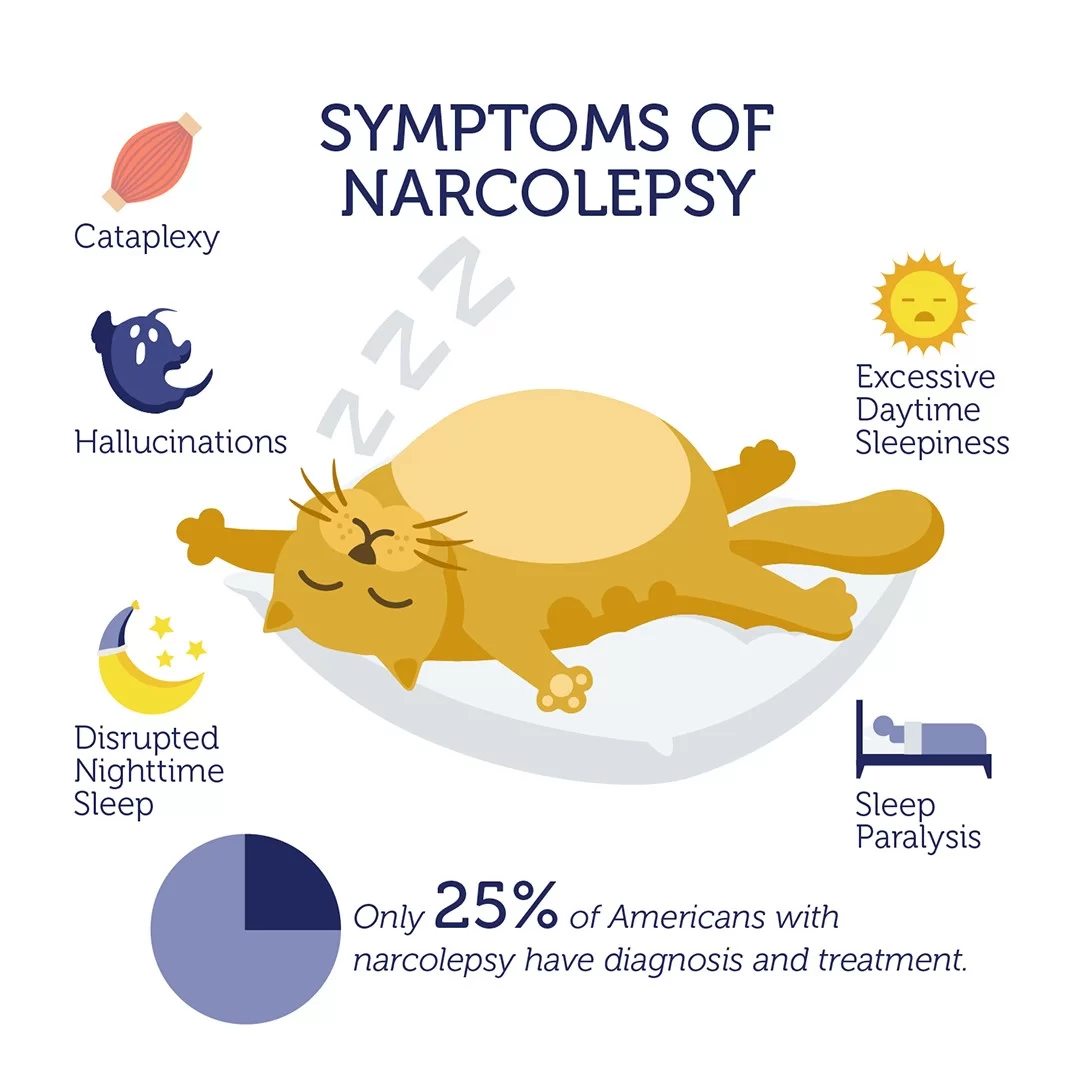
You’re sleepy all day. Like, seriously sleepy.
Your muscles suddenly go limp when you laugh or get excited.
You wake up and can’t move. It’s terrifying.
You see weird stuff as you’re falling asleep or waking up.
You can’t stay asleep at night—even when you’re wiped out.
When you’ve got Narcolepsy in California, all of this can feel way worse. Life’s always on the go here. People get misdiagnosed a lot too. Doctors might think it’s depression or burnout. That delays the real help. So if you relate to any of these signs, don’t shrug it off.
This disorder doesn’t just mess with sleep. It sneaks into every part of your life. Work. School. Relationships. All of it. You might fall asleep during a meeting or zone out mid-conversation. It’s not just awkward—it’s dangerous sometimes. California’s pace is wild. There’s traffic, deadlines, and expectations everywhere. Living with narcolepsy here can be exhausting. People often feel isolated. It’s tough explaining why you’re “always tired” when others just don’t get it. Luckily, things are getting better. More people are learning what narcolepsy actually is. Employers, schools, and friends are becoming more supportive. It’s not perfect—but it’s progress. Awareness really does make a difference.
Think you’ve got narcolepsy? Don’t guess—get checked out. The sooner you know, the sooner you can do something about it. Doctors usually start by asking questions. A sleep diary helps. They’ll want to know your patterns and how bad it gets. Then comes the testing. It might sound complicated, but it’s not scary:
An overnight sleep study (they track brain waves and breathing).
A daytime nap test (they watch how fast you fall asleep).
Sometimes, they check spinal fluid for hypocretin levels.
That last one’s rare but super accurate. Bottom line? Find a sleep specialist. They know what to look for. And they won’t brush it off like others might.
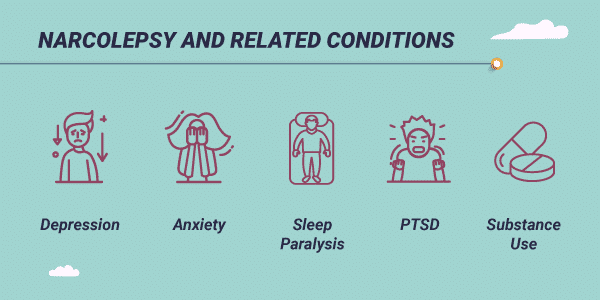
There’s no “fix” for narcolepsy. But you can totally manage it. You just need the right mix of treatments and habits.
Here’s what doctors often recommend:
Wakefulness meds to help you stay alert during the day.
Sodium oxybate. It helps you sleep better and deal with muscle weakness.
Antidepressants for hallucinations and sleep paralysis.
But meds alone won’t do it. Lifestyle matters too:
Take short naps on purpose throughout the day.
Stick to a sleep schedule—even on weekends.
Cut back on caffeine, sugar, and alcohol.
Move your body. A little exercise goes a long way.
Everyone’s different. Your treatment plan should be made just for you. Don’t settle for a cookie-cutter approach. And if you’re living with Narcolepsy in California, make sure your treatment fits your lifestyle. City life, traffic, heat—it all plays a role.
So where can you go for real help? Sleep clinics and neurologists are a solid start. You’ll want someone who understands how narcolepsy works and how it hits Californians differently. If you’re looking for expert care and personalized attention, Jsn Herbals can guide you through it. They’ve got specialists who take time to listen, test, and create a treatment plan that fits your real life.
You don’t have to go through this alone. Seriously. There are tons of groups and communities for people with narcolepsy. California has in-person support groups. But you’ll also find great ones online. Reddit, Facebook, even TikTok. You’d be surprised how much sharing helps. Other people get what you’re going through. That’s huge. Workshops, awareness events, and meetups are happening all over the state. Jump in when you can. Even just knowing others out there understand you? That’s powerful.
This condition is hard. No doubt about that. But it doesn’t have to hold you back forever. Plenty of people with Narcolepsy in California are thriving. They’re crushing goals, building careers, and living full lives. The key is knowing your body. Watching for signs. Getting support when things feel off. Keep track of your symptoms. Ask for help. Adjust your routine. There’s no shame in taking naps. There’s no guilt in needing space. You’re not lazy. You’re managing a real condition.