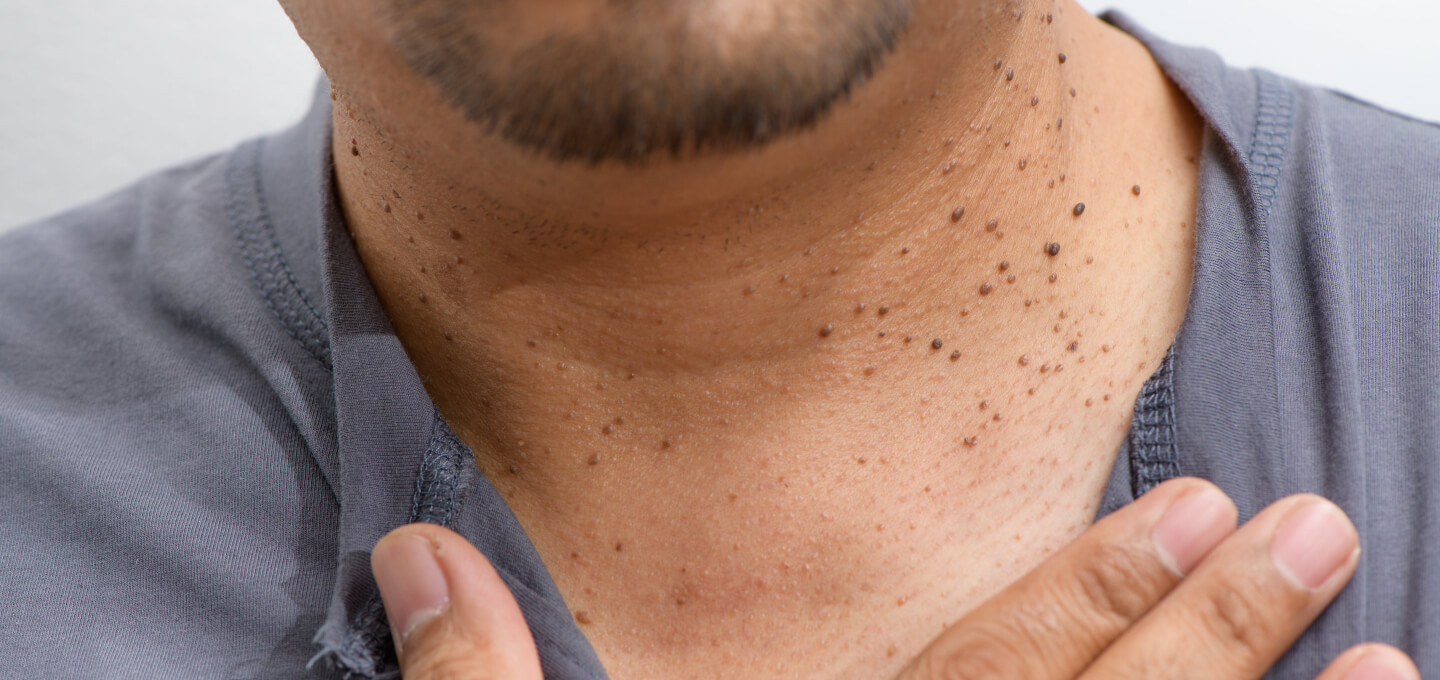
Ever noticed rough, waxy spots popping up on your skin?You’re not alone. They’re called Seborrheic Keratosis, and they show up more often with age. They’re not dangerous, so no need to panic.But let’s be honest — they don’t look great. A lot of people just want them gone. If you’re looking to handle these pesky patches from home, you’re in the right spot.Let’s dive into everything you should know. We’ll cover causes, natural treatments, prevention, and more.
First off, it’s not scary.Seborrheic Keratosis is a super common, non-cancerous skin growth. They usually look waxy, raised, or a little bumpy. Colors can vary — from tan to brown, or even black.Some folks confuse them with warts or moles. They’re not contagious, though. Most appear on the chest, back, face, or neck.They often start popping up after you hit 40.Totally normal. They don’t hurt, but they can get itchy or irritated . Especially when rubbing against clothes.
Here’s the thing — no one knows the exact cause.But there are some usual suspects behind Seborrheic Keratosis. Aging is a big one.They show up more as you get older. Genetics also play a role.
If your parents had them, there’s a good chance you’ll get them too. Sun exposure might be linked.Long-term UV damage could contribute to these skin growths. Hormonal shifts, like during pregnancy, can also be a trigger.Basically, your body’s changes can bring them out. They’re not caused by viruses.And they’re not due to poor hygiene.So, breathe easy.
Yep, you totally can.But here’s the deal — always get a proper diagnosis first. If a spot looks weird, hurts, or bleeds, check with a dermatologist. Better safe than sorry. Once you know it’s just Seborrheic Keratosis, natural treatments at home are a solid option.No surgery. No harsh chemicals.Just stuff from your kitchen or health store. Let’s talk about those.
People have tried all sorts of home tricks to deal with these growths. Some actually help over time. Here are the go-to ones:
ACV is a legend in the natural health world.It’s acidic and breaks down that thick skin buildup.
How to use it:
Soak a cotton ball in diluted ACV. Place it on the spot.Cover it up with a small bandage. Leave it there for a few hours daily.Repeat for several weeks. Be consistent.
Smells strong. Works wonders. Tea tree oil is known for fighting bacteria and inflammation.
How to use it:
Mix it with a little coconut oil. Apply to the growth using a Q-tip.Do this twice daily. Easy peasy.
This one’s a little more intense, so handle with care. Only use food-grade — not the regular kind from your medicine cabinet.
How to use it:
Apply directly to the growth with a Q-tip.Avoid touching healthy skin.Wear gloves.Do this once or twice a day. It can sting a bit — that’s normal.
Cool, soothing, and gentle on skin. Aloe vera doesn’t remove the growth fast but helps calm irritation.
How to use it:
Squeeze fresh aloe gel onto the spot. Rub it in and leave it overnight. It’s good for daily use.And it smells nice too.
This mix has been around forever. Old-school remedy with some modern love.
How to use it:
Mix castor oil with a pinch of baking soda.Apply the paste to the patch.Let it sit for a bit. Do this daily until you see results. Could take time — patience matters.
Home remedies are great — but not always enough.If something seems off, don’t ignore it.Go see a dermatologist if:
The spot bleeds or crusts.
It suddenly changes size or shape.
The color looks weird or uneven.
You’re unsure if it’s really Seborrheic Keratosis.
Doctors can freeze it, laser it, or shave it off. Quick and clean procedures.No big deal.
You might not be able to stop them completely. But there are ways to lower your chances. Use sunscreen every day. Even on cloudy days. UV rays are sneaky. Keep your skin moisturized. Dry skin can .get flaky and irritated.Gentle skincare works best. Eat a good mix of fruits and veggies. Vitamins like A, C, and E support healthy skin.Try not to scratch existing spots.That just makes things worse.
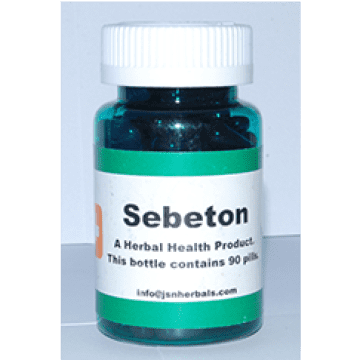
If you’re after natural skincare that actually works, check out Jsn Herbals. They’ve got herbal stuff that’s gentle but effective. Stick to brands that care about clean, plant-based ingredients. Avoid harsh junk.Your skin deserves better.
Before you dive into any remedy, slow down.There are a few things you really need to know.
Seriously, natural stuff doesn’t work overnight. You won’t see instant magic. But if you stick with it, results come.
Just because it’s natural doesn’t mean it’s harmless. Test a small area first.Wait a day. If nothing weird happens, go ahead.
Don’t scratch, peel, or cut it off.That’s risky and messy.You could end up with scars or infection.
Pick one method and stick to it.Switching too often messes things up. Daily use is the trick.
Seborrheic Keratosis can be annoying, but it’s not the end of the world.Totally treatable.You’ve got safe, easy options right at home. Natural stuff works — it just takes a little time. And love for your skin.Just be smart. Make sure it’s really Seborrheic Keratosis before trying anything. Talk to your doctor if you’re not sure.Better safe than sorry.Whether you’re using apple cider vinegar or going the aloe route, give it time.Stay gentle. And be kind to your skin. In the end, you don’t need expensive treatments.Just the right info, a little effort, and care.