
Let’s talk about something that isn’t exactly dinner conversation — rectal prolapse. Yeah, it sounds scary. But honestly, it’s more common than you think. The good news? It can be treated. With a little knowledge and the right approach, you can deal with it head-on. So, let’s break it all down — no medical jargon, just real talk.
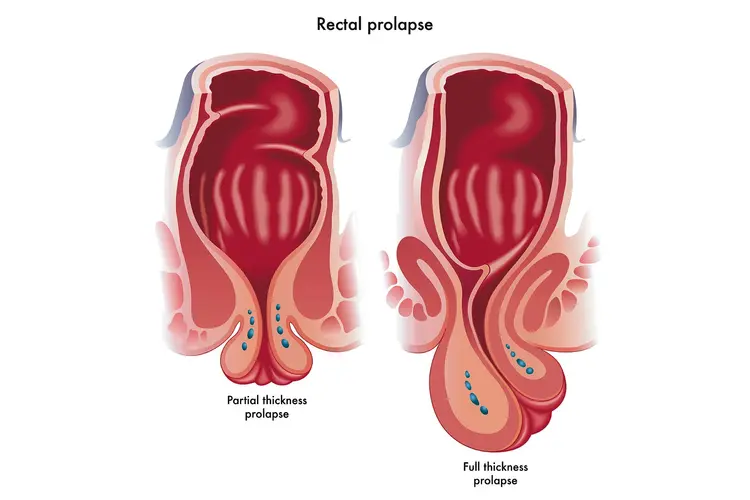
Okay, first things first — what exactly is rectal prolapse? It’s when the rectum (yep, your large intestine’s last bit) slips out. Literally. It sort of pushes out through your anus. Gross? Maybe. But it’s a real thing people deal with.
Sometimes only part of the rectum pokes out. Other times, the whole thing can drop. It can happen during bowel movements. And sometimes, it just kind of hangs there. Not fun, right?
Older folks — especially women — tend to get it more. But kids and younger people aren’t totally safe either. It can creep up slowly. And if you ignore it, things can get worse. The sooner you spot it, the easier it is to treat.
Now you’re probably wondering, “Why does this even happen?” Fair question. Turns out, there’s not just one cause. Several things can make it happen.
Let’s start with a big one — pushing too hard on the toilet. Yeah, straining constantly is a major problem. If you’re often constipated or spending forever in the bathroom, you’re at risk. Over time, the pressure weakens your insides. The rectum starts to give in and slip.
Our bodies change with age — nothing new there. Your muscles, especially the ones down below, can lose strength. For older adults, those muscles may not hold things in place anymore. If you’ve had a few kids or surgeries, it makes things even trickier.
Sometimes, it’s about nerves. Not the anxious kind — we’re talking actual nerve damage. Conditions like spinal injuries can mess with pelvic control. If your nerves can’t tell your muscles what to do, they kind of give up. That can lead to — you guessed it — rectal prolapse.
There are some other causes too. Kids with cystic fibrosis can sometimes get it. Diarrhea that just won’t quit? Yep, that’s another trigger. And if you’ve had rectal or anal surgery in the past, that could play a role too.
Let’s move on to the signs. What should you look for? Some of them are pretty obvious — others, not so much.
This one’s hard to miss. You’ll actually see part of your rectum pushing out. Usually when you’re on the toilet. At first, it might go back in by itself. Later on, it might stay out all the time.
People often feel pressure, like something’s stuck. There’s also pain, especially while sitting or using the bathroom. It’s uncomfortable, no doubt about it.
Notice blood or mucus down there? That could be a sign. It might look like hemorrhoids at first, which can be confusing. Either way, don’t ignore it.
Here’s the tough part — you might start losing control. Like, accidents can happen. Fecal incontinence isn’t just embarrassing; it messes with your daily life. If you’re dealing with that, talk to a doctor soon.
Doctors usually don’t need fancy tests to spot this. A quick physical exam often does the trick. But sometimes, they’ll run scans or a colonoscopy just to be sure. That helps rule out other issues and gives a clearer picture of what’s going on. The better the diagnosis, the better the plan.
Good news — there are ways to treat rectal prolapse. Your options depend on how bad things are and your overall health.
If your prolapse isn’t severe, you might not need surgery right away. There are some gentler options that could work.
What you eat matters a lot. Foods packed with fiber — fruits, veggies, grains — can help your gut do its thing. Don’t forget to drink plenty of water. That combo makes going to the bathroom way easier.
Sometimes your doctor might recommend meds to help you poop. These make the process smoother and less painful. But don’t overdo it. Long-term use without medical advice can cause other problems.
Ever heard of Kegels? They’re not just for pregnant women. Strengthening those muscles can help hold everything in place. Super useful for preventing things from slipping further.
If things are advanced or not improving, surgery might be on the table. Don’t worry — doctors do these procedures all the time.
In this surgery, your rectum gets reattached to your lower back bones. Sounds intense, but it’s pretty standard. It can be done with small cuts, so healing’s usually quicker.
This one’s a little more complex. They remove part of the rectum and then secure what’s left. Often used when constipation’s a big issue.
This is the less invasive option. Doctors go in through the area between the anus and genitals. It’s usually for older adults who can’t handle more aggressive surgery.
Surgery’s just step one. After that, it’s all about taking care of yourself. You’ll probably need to tweak your diet a bit. Pain meds might be part of recovery too. Most folks bounce back in a few weeks. But healing fully? That can take longer. Just keep up with follow-ups to make sure everything’s going well.
Want to avoid rectal prolapse in the future? A few simple habits can go a long way.
Eat more fiber. Seriously, it helps.
Drink water. Lots of it.
Skip the heavy lifting if you can.
Stop pushing hard on the toilet.
Do those pelvic floor workouts.
Handle gut problems as soon as they show up.
Taking care of your body now saves a lot of trouble later.
Looking for something natural to support your digestive health? Check out Jsn Herbals. They’ve got herbal options that help with regular bowel movements and muscle tone. Still, always check with a doctor before trying anything new — especially if you’re already managing rectal prolapse.
Don’t guess. If you see or feel something unusual — like tissue poking out or bleeding — talk to a doctor. The sooner you do, the easier it is to fix. Waiting only makes things harder and riskier. And don’t be shy — your doctor has seen it all before.
Yeah, rectal prolapse isn’t fun to talk about. But it’s totally manageable. Whether it’s mild or severe, there are solutions. From diet changes to simple exercises to surgery, you’ve got options. You’re not stuck with it forever.
Don’t ignore the signs. Act early, get advice, and stick to your treatment plan. A little effort now can save a ton of discomfort later. You’ve got this — and you’re definitely not alone in dealing with rectal prolapse.