Ever noticed weird patches popping up on your skin out of nowhere? Yep, that could be Tinea Versicolor. It’s not dangerous, but it sure can mess with your confidence. Those patches? Not fun to deal with, especially when you’re planning a beach day. Don’t worry—this guide’s here to help you spot it early and manage it like a pro. We’ll keep it simple, real, and all about keeping your skin happy.
So here’s the thing—Tinea Versicolor is a super common skin condition caused by a type of yeast. Sounds gross, but this yeast (Malassezia) already lives on everyone’s skin. Totally normal.
The problem starts when it grows a little too wild. That’s when the spots show up. Usually, it happens in warm, sweaty environments. Think tropical vacations, gyms, or even summer days.
The result? Random patches of skin that look either lighter or darker than your regular tone. It doesn’t spread from person to person, so nope—it’s not contagious. Still, it can feel uncomfortable and sometimes a bit embarrassing. If you’ve got visible spots, you’re not alone. A lot of people go through it. It’s treatable and manageable, especially if you catch it early.
Alright, let’s get into the signs. Here’s how to know if what you’ve got is Tinea Versicolor.
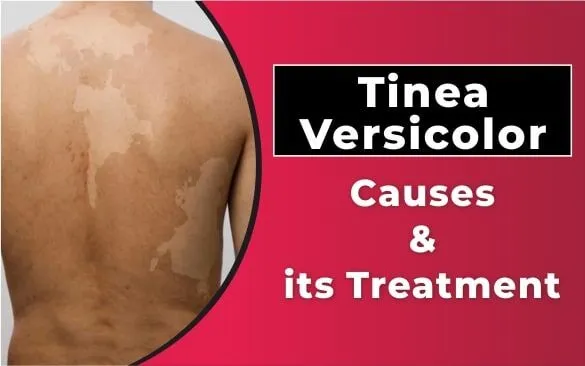
These patches are usually lighter or darker than your natural skin tone. They tend to show up on the back, chest, or upper arms. Some are pinkish. Others, brown or white. It really varies by skin type. They might blend in or stand out a lot, depending on your tan.
Sometimes it’s itchy. Not always though. If it does itch, it’s usually mild—just enough to be annoying.
Some patches can flake when you scratch or rub them. Not as dry as eczema but still kind of scaly.
Spent time in the sun and noticed weird tan lines? The patches don’t tan, which makes them more obvious. So, if your skin’s acting up like this, you might be dealing with Tinea Versicolor.
We all have Malassezia yeast chillin’ on our skin—it’s totally normal. But when it starts multiplying fast, that’s when trouble starts. So what makes it go wild? A bunch of things, really.
Here are the usual suspects:
Hot, humid weather (hello, summer).
Skin that’s naturally oily.
Too much sweating—yes, gym people, we’re looking at you.
Hormonal shifts or imbalances.
Weak immune system.
It has nothing to do with being dirty or skipping showers. You could be squeaky clean and still get it. This yeast just likes moisture, warmth, and oil. Basically, it’s picky and annoying.
Now, anyone can get Tinea Versicolor, but it tends to pick favorites. Teenagers and young adults often deal with it more. Why? Because their oil glands are doing overtime. If you’ve got oily skin, that’s another green light for the yeast. People with weak immune systems? They’re more at risk too. Folks dealing with conditions like Uveitis or Waldenstrom’s Macroglobulinemia may experience outbreaks more often. Even medications like steroids can make your body a cozy place for the yeast to grow. Tropical climates don’t help either. More heat. More sweat. More problems.
Most times, you can kind of tell it’s Tinea Versicolor just by looking. But if you’re not sure, a trip to the dermatologist helps. They’ll probably take a quick look or use a UV light—called a Wood’s lamp. In some cases, they’ll scrape a little skin for lab testing. Totally painless and quick. Getting the right diagnosis early saves you time and stress later. And no, Google images don’t count as a diagnosis—get checked if it’s weird.
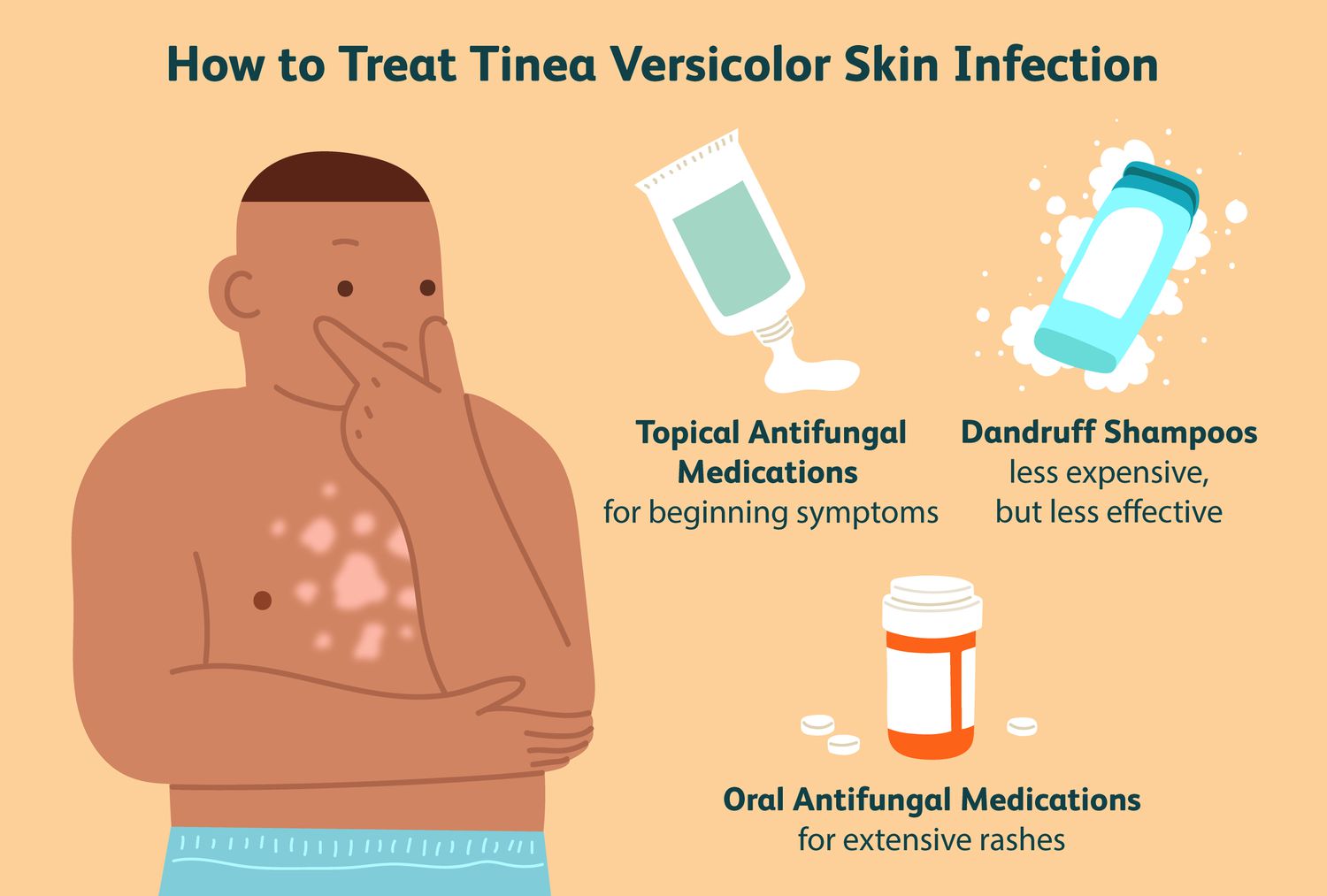
There are tons of antifungal products out there. Creams, gels, shampoos—you name it. Look for stuff with ketoconazole, selenium sulfide, or clotrimazole. These ingredients work well to stop the yeast from growing. Use it daily for a few weeks, even if it looks like it’s gone. Stopping too early? That’s how it sneaks back. Be consistent. It’s the most important part.
Still not clearing up? Time to call in the heavy hitters. Doctors may give you antifungal pills, like fluconazole. Or they might prescribe stronger topical stuff. These are great for stubborn or widespread patches. Just follow the instructions exactly—no skipping days.
Yep, changing some habits helps a lot. Shower after workouts or sweating. Skip greasy lotions. Use something lightweight instead. Wear loose cotton clothes to let your skin breathe. These small tweaks go a long way in keeping flare-ups away.
You might see results in just 2 to 4 weeks. But here’s the catch—those skin patches can hang around. Even after the yeast is gone, discoloration might take months to fade. Doesn’t mean it’s still active, just your skin slowly evening out. Stick with treatment and don’t panic if color stays uneven. It takes time, especially if the patches were around for a while.
Unfortunately, yep. It likes to come back—especially in hot weather. People with chronic conditions like Urethritis or immune challenges are more prone to recurrences. Sweaty months? Perfect environment for another outbreak. One good tip: use antifungal shampoo on your skin once a week during those high-risk months. Some folks even take meds once in a while to prevent it. But always talk to your doctor first—no DIY prescriptions, please.
Looking for a gentle, natural way to treat Tinea Versicolor without harsh stuff? Check out Jsn Herbals for safe and skin-friendly options. Their products are designed to help without drying or irritating your skin. Always do a patch test and follow the instructions. Good skincare starts with trusting what you’re putting on your skin.
Not every discolored patch is Tinea Versicolor. It’s easy to mix it up with eczema, vitiligo, or psoriasis. But here’s a clue—Tinea patches usually have fine scales and sharp edges.
They also show up mostly on oily, sweaty areas. Still confused? Don’t guess. A dermatologist can clear it up fast. You don’t want to spend weeks treating the wrong thing.
Sure, Tinea Versicolor can be annoying. It might mess with your tan or make you feel self-conscious. But the good news? It’s manageable, treatable, and honestly—pretty common.
You’re not alone in dealing with this. Keep your skin clean and dry. Use treatments consistently. Make small lifestyle changes. And don’t let it stop you from wearing that tank top or hitting the beach. If it doesn’t go away or keeps coming back, talk to a doc. You’ve got this. Skin issues don’t define you. With the right care, your skin can look and feel better in no time.