Ever noticed unusual swelling in the scrotum and wondered what’s going on? You might be dealing with a Hydrocele. Sounds serious, right? But honestly, it’s usually not a huge deal. Still, it’s good to know what it is and what to do about it.
This guide is here to walk you through everything. We’ll break down the causes, symptoms, and treatments in plain, simple words. Whether it’s you or someone close dealing with it, let’s figure it out together. Knowledge makes it less scary.
What Is a Hydrocele?
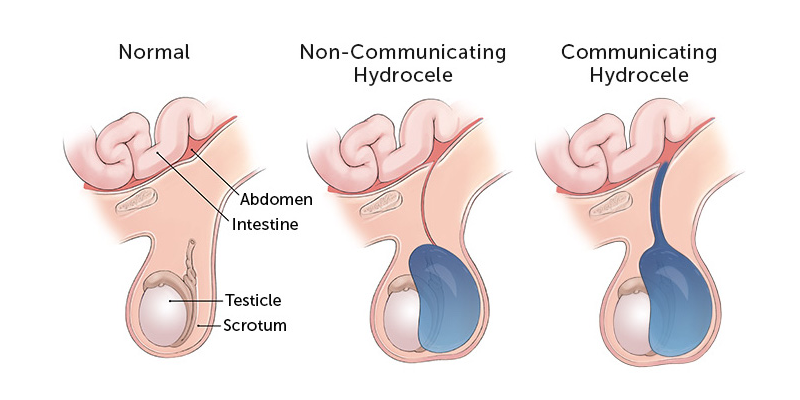
So, let’s start with the basics. A Hydrocele is just a sac filled with fluid around one of the testicles. That’s it. It makes the scrotum look swollen or puffy, especially on one side.
It’s super common in babies. But it can show up in men later too. Especially after injuries or inflammation. It might sound weird, but in many cases, it’s harmless. No major pain, no threat to health. It just hangs around.
In babies, Hydroceles usually go away on their own. Adults? Not always. Some guys need a little medical help.
Causes of Hydrocele
Why Does Hydrocele Develop?
Now, let’s talk about how this whole thing starts. Causes vary, depending on your age and health.
In Infants
In babies, a Hydrocele forms when a little tunnel in the belly doesn’t close up right. This lets fluid drip down into the scrotum. Boom—swelling starts. It’s usually not painful and tends to disappear on its own.
In Adults
For grown men, Hydroceles pop up for different reasons:
-
A bump or injury down there
-
Infections or inflammation in the scrotum
-
A tumor, though that’s super rare
-
Surgery side effects, like from a hernia fix
It’s not the hydrocele alternative treatment itself that’s risky—it’s what might be hiding underneath. Better safe than sorry.
Symptoms of Hydrocele
The main sign? Swelling. Yep, that’s usually the first and biggest clue. One side of the scrotum just looks bigger.
It may grow slowly or show up all of a sudden. Most of the time, there’s no pain. Some men feel a dull ache or heaviness. Others might not even notice until they take a closer look.
Other signs to keep an eye on:
-
Puffiness that’s soft to the touch
-
Pressure near the base of the penis
-
Swelling size changes throughout the day
A Hydrocele won’t mess with your ability to pee or make babies. But still, it’s good to get it checked.
Diagnosis and Medical Evaluation
Think you’ve got a Hydrocele? Time to visit your doctor. Don’t Google too much and scare yourself.
The doc will do a simple exam. They might shine a light through the scrotum. If it’s filled with clear fluid, the light passes through.
Sometimes they’ll order an ultrasound. It’s painless and helps rule out anything more serious. If needed, they’ll also run a few blood or urine tests.
None of this hurts. Most of the time, it’s over quickly. And you get answers fast, which is always a relief.
Treatment Options for Hydrocele
When Is Treatment Necessary?
Not every Hydrocele needs treatment. Especially in babies. Doctors often recommend just waiting and watching. It usually disappears by the first birthday.
For adults, it’s a bit different. If it’s large, uncomfortable, or gets worse, then it’s time to act.
Common Treatments Include:
1. Watchful Waiting
This means no action yet. Just keeping an eye on it. If there’s no pain or trouble, doctors may hold off.
2. Aspiration
They stick a needle in and drain the fluid. Quick relief. But sometimes the swelling comes back. It’s not always permanent.
3. Hydrocelectomy
This is a minor surgery to remove the sac. It’s simple, safe, and usually fixes the problem for good. You’ll be back on your feet in no time.
Complications of Untreated Hydrocele
Now, most of the time, Hydroceles don’t cause serious issues. But ignoring one forever? That’s not a great plan.
Possible complications:
-
Infection inside the sac
-
The Hydrocele might rupture
-
Pressure builds up and causes discomfort
-
In rare cases, testicle function takes a hit
Also, not everything that swells is a Hydrocele. Could be a hernia, a tumor, or something else. That’s why you should always get a diagnosis.
Where to Buy Natural Support for Hydrocele
Thinking of going the natural route? Some guys prefer herbs and plant-based help over medical stuff. Totally valid choice.
If you’re looking for gentle, herbal support for Hydrocele, pick your source carefully. Avoid random products from shady sites. Trust matters.
A reliable name out there is Jsn Herbals. They offer herbal blends people swear by. It’s not a magic cure, but it might help with comfort and inflammation.
Still, don’t skip the doctor. Use herbs as support—not as a replacement for real medical advice. Always play it safe.
Living With Hydrocele: Lifestyle and Self-Care
Living with a Hydrocele doesn’t mean your life’s on pause. Most guys manage just fine with a few tweaks.
Here’s what can help:
-
Grab some snug underwear for better support
-
Skip intense workouts that stress the area
-
Use cold packs now and then for relief
-
Stay active but don’t overdo it
-
Eat clean and stay hydrated—it helps your whole system
These tips won’t shrink a Hydrocele, but they can ease daily life. Small changes go a long way.
When to See a Doctor
If you’re not sure what’s going on, go see someone. That swelling might look harmless, but guessing isn’t smart.
Call a doctor if:
-
There’s pain involved
-
The swelling keeps getting bigger
-
Redness or heat appears (infection alert!)
-
You’re finding it hard to walk or sit comfortably
It might be nothing. But what if it’s not? A quick checkup brings peace of mind.
Conclusion
Hydroceles aren’t dangerous most of the time. But that doesn’t mean you should ignore them. Getting the right info helps you take control.
Now you know what a Hydrocele is, what causes it, how to treat it, and when to get help. That’s a win.
Don’t wait around wondering. Be proactive. Check it out, talk to a doctor, and explore your options. Whether it’s medical treatment or herbal support, there’s always something you can do.
Bottom line? Take care of yourself. Your health deserves attention—and so do you.