Cellulitis. Sounds serious, right? That’s because it is. It’s not just another skin issue that goes away on its own. It hits fast and spreads quicker than you’d expect. What starts as redness or swelling can turn into something nasty. So, what is it exactly? It’s a bacterial skin infection. One that affects the deeper layers beneath your skin’s surface. Not fun. But the good news? It’s treatable. And the earlier you catch it, the easier it is to manage. Let’s break down the symptoms, causes, and treatment options—in simple, everyday language. No fluff, just real info.
Cellulitis is a skin infection that’s caused by bacteria. Usually, it sneaks in through a cut, crack, or scratch. It doesn’t care how small the wound is. If bacteria get in, they settle deep and spread pretty fast. Most of the time, you’ll see it on your legs or arms. But really, it can show up anywhere. The usual culprits? Streptococcus and Staphylococcus. Fancy names, but trust me—they’re not your friends. Anyone can get cellulitis. Doesn’t matter if you’re young, old, fit, or not. Some folks just have higher risk. Spotting it early makes a huge difference. So knowing what to look for is super important.
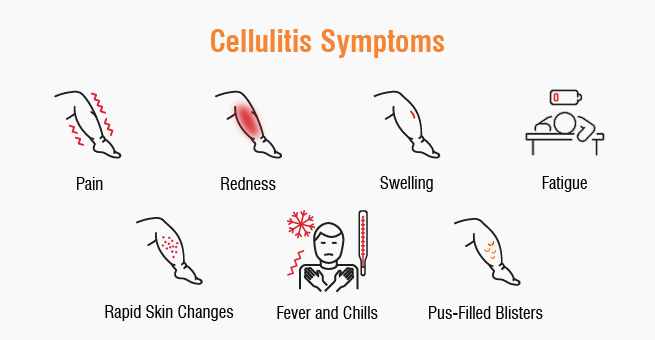
Symptoms? Oh yeah, it makes its presence very clear. You’ll definitely notice something’s wrong.
Your skin might turn red, puff up, and feel hot. Not warm—hot. Like something’s boiling underneath.
It can hurt. A dull throb or a sharp sting. Even gentle touches might feel like a punch.
If your body starts to shake or you feel feverish, it’s time to worry a little more.
Sometimes, your skin blisters. Other times, it looks like an orange peel. Either way, it’s not a good sign.
Feel any weird lumps around the infection? Yep, your lymph nodes may swell up and feel sore. Any of these symptoms pop up? Don’t wait. Get it checked out ASAP. Cellulitis isn’t something to guess about.
It all begins when bacteria find their way in. Even the tiniest scratch can open the door.
Here’s how it usually happens:
Scratches, scrapes, or small cuts
Bug bites—mosquitoes love starting trouble
Dry or cracked skin
Surgical wounds
Skin issues like eczema or athlete’s foot
And then there are health conditions that make you more vulnerable.
People with diabetes or poor blood circulation have to be extra careful. Their skin heals slower, giving bacteria more time.
Carrying extra weight can make skin fold, stretch, and break more easily. That’s an easy entry point for infection.
Had cellulitis before? Sorry, but you’re more likely to get it again. It’s one of those repeat offenders.
Doctors usually spot cellulitis just by looking. But if it’s not clear, they’ll dig a little deeper.
They might:
Ask how it started
Check if you’ve been injured or bitten
Take a blood sample
Swab any open sores
Use an ultrasound to peek underneath
Once they figure out what’s going on, treatment kicks in fast. Time is crucial with this one.
You’ll probably start with antibiotics. Usually pills. But if it’s spreading fast? You might need IV meds at a hospital. Don’t skip doses. Even if you feel better, finish the whole course. Trust me on this one.
Rest up. Keep the infected area raised. That helps with swelling and keeps things from getting worse. Clean it gently. Use warm water. And yeah, avoid harsh scrubbing. That only makes it angry. A cool compress can help too. Nothing fancy—just a clean cloth and cold water.
Painkillers like ibuprofen or acetaminophen do the trick. They ease the ache and help bring down any fever. Simple stuff, but super helpful while you heal.

Totally. You just need to take a few smart steps. No magic potions required.
Dry skin cracks easily. That’s an open invite for bacteria. Lotion is your friend—use it often.
Even small scrapes need love. Rinse them, dab them dry, slap on a bandage. Done.
If you’ve had cellulitis before, don’t mess around. Be extra careful and don’t ignore weird signs.
Going outdoors? Wear long sleeves and pants. Especially if you’re hiking or gardening. Bugs and thorns don’t care.
Some people just have a higher chance of getting it. Doesn’t mean you’re doomed—but it does mean stay sharp.
Seniors, especially over 60
Diabetics or people with circulation issues
Folks with weak immune systems
Anyone with recent surgeries or injuries
People with chronic skin problems like eczema
If that’s you, take this seriously. You don’t want to deal with cellulitis if you can help it.
Let’s be real—you don’t always need a doctor for every rash. But cellulitis? That’s a different story.
Go see someone if:
The red area keeps spreading
You spike a fever or feel weak
Pain gets worse, not better
You spot red streaks running from the infected spot
Those are warning signs. And this is one condition where waiting too long can backfire.
Looking for natural ways to support your skin’s health? Brands like Jsn Herbals offer great herbal options for skincare. While they won’t replace antibiotics, they help with prevention. Healthy skin means fewer cracks and lower risk. A good herbal product can soothe, moisturize, and protect. That’s all part of the game when it comes to prevention. Always use them with care—and talk to a doctor if you’re not sure what works best for you.
Cellulitis isn’t just a minor skin issue. It’s serious and moves quickly. If you ignore it, things can get ugly fast. Watch for the signs. Act early. And don’t try to “tough it out” if it keeps getting worse. A few simple habits—keeping your skin clean, moisturized, and protected—can make a big difference. The sooner you treat it, the smoother the recovery. You’ve got options. You’ve got support. And now, you’ve got the knowledge too. Stay sharp. Stay safe. And take care of your skin.